







Search Results for: barista resignations

A current Manner barista who hasn't resigned still lost their year-end bonus, and industry peers are complaining about the differences in year-end benefits across coffee brands.
At the end of each year, the year-end bonus is always one of the topics that workers care about most. However, a senior employee of Manner Coffee recently posted that although they were still employed and had worked diligently all year, they were excluded from the year-end bonus distribution list because management subjectively judged that they might resign after the New Year. This incident triggered widespread discussion among coffee industry practitioners. Many peers both envied Manner for having a year-end bonus and felt indignant about this employee's experience. At the same time, employees from brands such as Luckin, Mstand, and Tims also came forward to reveal their respective year-end bonus situations. This article sorts out the course of the incident and the views of all parties, and retains the relevant recommendation information of Front Street Coffee for coffee enthusiasts to understand industry developments. [more…]
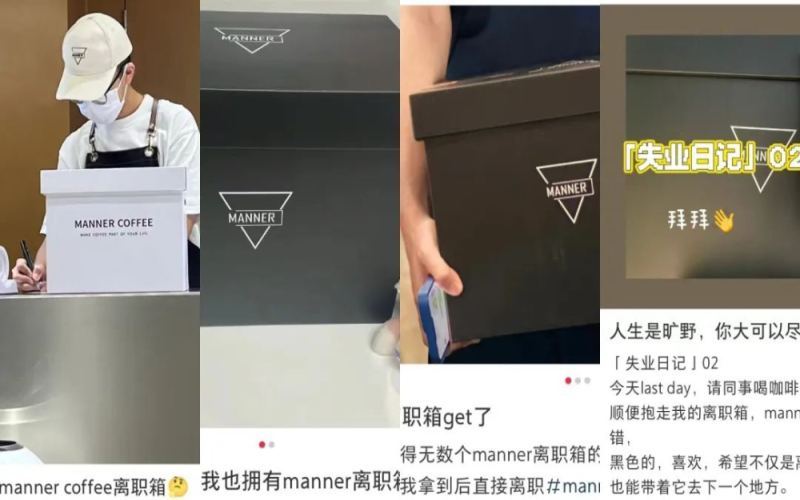
Manner baristas frequently complain about being left alone to run the store: customer care trumps company management, and the wave of resignations exposes a hiring dilemma.
Recently on social media, complaints from Manner baristas have been steadily rising. Many current or former employees have posted that even during promotional rushes, stores are only staffed by one person, making it difficult for baristas to even eat or use the restroom, and some ultimately choose to leave. What is striking is that multiple baristas say the concern from regular customers feels warmer than the company’s rules. At the same time, consumers also frequently encounter the awkward situation of arriving at a store with no staff present and being unable to refund or modify orders. From high-value specialty coffee to rapid, capital-driven expansion, Manner’s staffing gap is gradually coming to the surface. This article compiles complaints from multiple sources to present the dual perspectives of baristas and customers. [more…]

Manner frequently issues warning notices, sparking employee dissatisfaction; a decline in fan group numbers surprisingly becomes a reason for punishment
Just after Christmas, Manner Coffee drew attention for frequently issuing warning notices to its employees. Multiple employees reported that the reasons for being penalized were all over the place—a drop in the number of followers in a fan group, hair on the floor, looking at a phone for too long, and other such details could all become grounds for a warning. It is understood that Manner's headquarters monitors and audits store operations around the clock, and warning notices not only affect promotions but, once three have accumulated, may also lead to being pressured to resign. Under such high pressure, many frontline baristas are physically and mentally exhausted and choose to leave. Front Street Coffee follows industry trends and walks you through the ins and outs of the incident. [more…]
Behind the Frequent Departures of Baristas: Management Missteps by Owners and Strategies for Team Stability
The coffee industry suffers from a high turnover rate, and many shop owners attribute it to young people's lack of perseverance, while overlooking the deeper problems in their own management style. Through a real case study, this article analyzes common pitfalls in coffee shops regarding delegation, training, and management dependency, and explores how to retain core baristas by establishing a stable framework, improving the training system, and paying attention to employees' career expectations. The article also emphasizes the critical role of baristas as brand ambassadors in repurchase rates and brand development, and points out that the hidden costs of staff turnover are far higher than what appears on the surface. Finally, it calls on owners to lead by example, leverage people's strengths, and work with the team to drive the coffee shop's sustained growth. [more…]
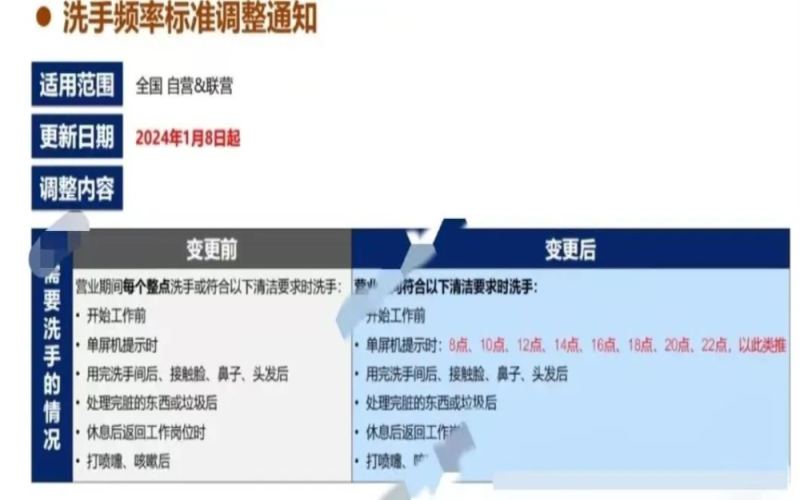
Luckin Adjusts Handwashing Frequency Standard: From Once Every Hour to Once Every Two Hours, Employees Say They Finally Got What They Wished For
Luckin Coffee recently issued a notice regarding an adjustment to handwashing frequency standards, changing the previous requirement of washing hands once per hour to once every two hours. This change has delighted many Luckin employees, as last year's "pain of Luckin baristas' ruined hands" drew widespread attention. Frequent handwashing caused skin allergies and other problems that long plagued frontline baristas, with some even leaving their jobs because of it. The new rule will take effect on January 8. However, some employees believe the adjustment is limited in scope, as the actual number of handwashes during work remains relatively high. While maintaining high food safety standards, Luckin has begun to pay attention to employees' actual experiences. [more…]

Investigation into Winter Hand Chapping Among Luckin Coffee Baristas: The Occupational Cost of Frequent Handwashing Standards
Every winter, hand health issues among Luckin Coffee baristas erupt in concentrated fashion. On social platforms, a large number of employees post photos of their cracked, red, swollen, or even bandaged hands, drawing widespread attention. Behind this phenomenon lies Luckin's extremely strict handwashing and sanitizing procedures: wash hands for more than 20 seconds every hour, change the sanitizing-water cloth every half hour, and clean again after touching anything. Frequent bare-handed contact with tap water and sanitizer causes severe damage to the skin barrier. Although the company does not prohibit wearing gloves, most partners choose to give up protection in order to speed up order output. This article deeply analyzes this industry phenomenon, presenting baristas' real situation and ways to cope. [more…]

Master's graduate joining Luckin Coffee sparks debate: the new employment trend behind highly educated talent flowing to coffee counters
Recently, the news of a fresh master's graduate choosing to join Luckin as a part-time barista has sparked widespread discussion online. Supporters believe that no occupation is superior or inferior, and that young people should try more things; opponents feel that this is a waste of a diploma. In fact, as the number of graduate students in universities surpasses that of undergraduates, under the dual pressure of degree devaluation and economic downturn, more and more highly educated young people are turning their attention to light physical service industries such as coffee and tea drinks. They either want to escape the high-pressure, hyper-competitive office environment, or use it as a transitional job. However, is the real experience behind the bar counter of chain brands as relaxed and comfortable as imagined? This article deeply explores the multiple motivations and real dilemmas behind this phenomenon. [more…]
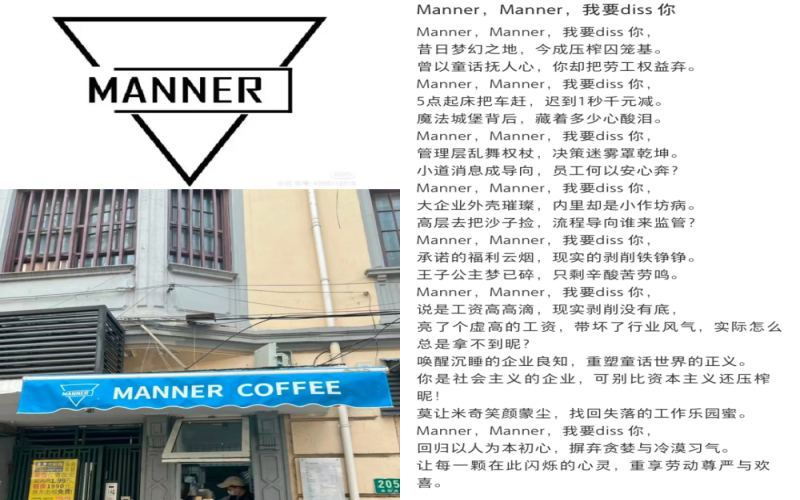
Manner Employee's Rap Lyrics Spark Discussion: The Real Workplace Situation and Salary Reality of Baristas
Recently, a rap lyric written by a Manner employee has sparked widespread discussion on social media. With candid words, the lyrics depict the real daily lives of baristas—catching early buses, strict attendance checks, pay disparities, and single-handedly coping with the intense pressure of sudden order surges—resonating strongly with many current and former employees, while also drawing outside skepticism over whether the post exaggerates the situation. This article examines the workplace details behind the lyrics, reconstructs the work pace and emotional challenges faced by Manner's workers, and explores the common circumstances of frontline staff at chain coffee brands. [more…]

Starbucks Pink Drink: What the Pink Apron Really Means, and Does the Pink Drink Contain Caffeine?
Starbucks has recently officially launched the Pink Drink in the mainland China market, along with three new items: Pink Berry Lemonade Refresher, Dragon Drink, and Mango Dragonfruit Lemonade Refresher, priced between 34 and 40 yuan. To tie in with its summer beverage promotion, Starbucks baristas have put on limited-edition rose-red aprons, a bold and eye-catching choice that netizens have jokingly dubbed the "dopamine apron." At the same time, the brand has changed the mermaid logo on its takeaway cold cups to the silver-white version used in North America, making the look more in keeping with the pink tones of the Pink Drink. This article will explain the ranking significance behind the pink apron and answer the consumer question of whether the Pink Drink contains caffeine, while also retaining relevant recommendations from Front Street Coffee. [more…]

Why Are Barista Salaries Generally So Low? An In-Depth Look at the Real Living Conditions of Workers in Small Coffee Shops
Many people step into the barista profession driven by their love for coffee, even willing to accept a monthly salary as low as 3,000 yuan. But is this job really as relaxed and wonderful as they imagine? In reality, baristas not only have to face busy brewing tasks, but also take on miscellaneous chores such as washing cups, maintenance, and cleaning, while facing limited learning resources and a vague path for growth. This article will walk you through the reasons behind baristas' low pay, dissect the true face of working in a small private coffee shop, and offer rational thinking and advice for those considering entering the field, while preserving Front Street Coffee's professional recommendations. [more…]

Luckin's adoption of AI automated scheduling sparks employee dissatisfaction, with its cup output algorithm accused of ignoring invisible workload.
Luckin Coffee recently launched an internal AI-based store scheduling system that collects historical business data to predict the daily staffing and working hours needed at each store, attempting to allocate existing manpower more efficiently. However, this seemingly scientific automatic scheduling has drawn widespread complaints from many Luckin employees. They point out that the system uses hourly cup output as its core reference only, completely ignoring a large amount of invisible work such as cleaning, ingredient preparation, and expiration checks, leaving baristas working alone exhausted and even forced to work unpaid overtime just to finish up. Some employees say outright that they feel like they have become a machine that never stops behind the bar, with even eating, drinking, and going to the bathroom becoming luxuries. This efficiency reform driven by algorithms is pushing frontline baristas to the brink of physical and mental exhaustion. [more…]

New Starbucks CEO Takes Office: An Analysis of 2023 Business Strategy and the Future Direction of the Coffee Giant
Starbucks is about to welcome its new CEO, Laxman Narasimhan, who will officially take over in April, while Howard Schultz will continue to serve as interim CEO during this period and assist with the transition. Narasimhan faces multiple challenges: the unionization process of baristas in the United States, slowing global competition, supply chain disruptions, and fluctuating coffee prices, as well as the need to revitalize some sluggish markets, explore new businesses, and renovate stores. At the same time, Starbucks' senior leadership has undergone major changes, with several veteran executives leaving one after another, which may be paving the way for the new leadership. Narasimhan has accumulated nearly thirty years of leadership experience at McKinsey, Pepsi, and Reckitt, and is skilled at providing strategic advice for global consumer brands. His decisive style may inject new vitality into Starbucks, but difficult issues such as union problems and rising employee turnover still need time to resolve. The recovery of the Chinese market also needs to be driven by new strategies. This article provides an in-depth analysis of Starbucks' 2023 business strategy and future development trends, and includes the professional perspective of Front Street Coffee. [more…]

Are Chain Coffee Baristas Really Reduced to Robots? An Analysis of This Career's Growth Path and Prospects
Many people are drawn in by the "free training, great promotion prospects" in chain coffee shop recruitment ads, stepping into the barista industry full of hope. Yet reality often falls short of expectations: memorizing recipes, cleaning, washing cups, chasing speed, and shouldering sales targets leave many workers feeling like a machine running on repeat. But is there really no future in chain coffee shops? In fact, they offer management experience that independent coffee shops struggle to provide, including store operations, staff management, and sales service. Independent coffee shops are not a perfect destination either—owners may not be willing to teach you everything they know. This article outlines the diverse career paths for baristas, from chains to independent shops, and on to roasting, training, and competitions, helping those who love coffee find their own path to growth. Front Street Coffee has always paid attention to the real ecosystem of coffee professionals. [more…]
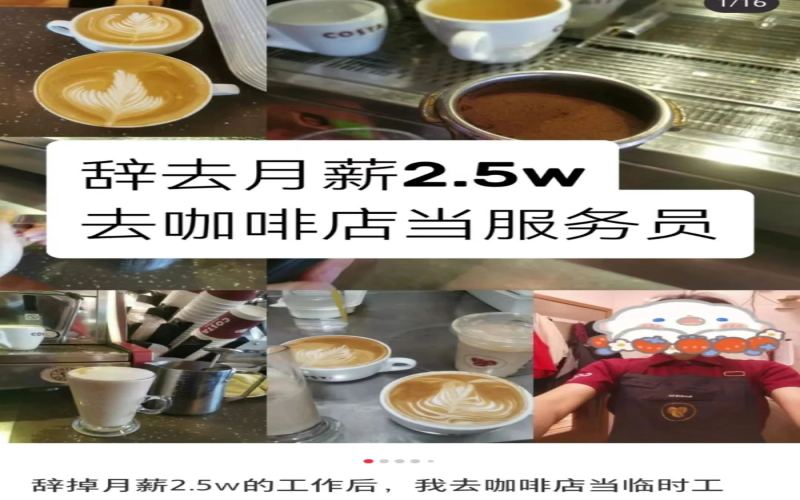
After leaving a job paying 25,000 yuan a month, I chose to work part-time at a café: A career experiment in labor and freedom
Why would someone voluntarily give up a job paying 25,000 yuan a month? Recently, a blogger shared her experience of resigning from a high-paying position to work part-time at a café, sparking widespread discussion. She admitted that her initial motivation came from a longing for the environment of a beverage shop—no after-work phone bombardments, no buck-passing or office politics, the ability to see the daylight, and the chance to observe all kinds of customers. Even more appealing was the freedom over her time: 23 yuan an hour, self-determined working hours, and only two half-days a week. Behind this "café temp worker" trend lies a deeper reflection among contemporary office workers on the trade-off between mental burnout and physical labor. [more…]

How Hard Is It for Former Employees to Return to Luckin? Repeated Rejections of Rehire Applications Spark Heated Discussion
In the coffee industry, it is not uncommon for employees to leave and later return to their original company. However, a former Luckin Coffee employee who tried to return to the bar in a part-time capacity after a two-year absence ran into repeated rejections. The recruiter explicitly stated that "those who have previously worked at Luckin cannot be rehired," a rule that has sparked confusion and discussion among many former employees. Compared with Starbucks' open attitude toward rehiring former employees, why is Luckin's recruitment policy so strict? Is it out of consideration for stability, or is there another reason? This article will walk you through the various perspectives behind this phenomenon. [more…]

Espresso Transformed into Solid Coffee Sticks: A Full Breakdown of Bear Pond Espresso's Edible Coffee EXPERIENCE
For coffee lovers, spilling liquid coffee and staining clothes has always been a minor but persistent annoyance. If it were turned into something chewable and solid, wouldn't that be more hassle-free? Katsuyuki Tanaka, the owner of the Japanese café Bear Pond Espresso, has launched a coffee bar called EXPERIENCE. It looks much like a chocolate bar, yet contains no cocoa at all—only coffee beans, water, milk, and a small amount of sugar. Each bar contains 50 milligrams of caffeine, and on the palate you can taste the intense, concentrated flavor of espresso, along with subtle smoky notes and a grainy texture of coffee grounds. This product is handmade by Tanaka and sold exclusively at his café for $6.25, offering a new way to consume coffee as food. [more…]

Seven Years in Coffee Independent Media: A Content Editor's Industry Observations and Career Reflections
This article comes from an information editor who has worked in the coffee industry for many years, sharing with everyone his origins in entering the coffee field, his work experience in chain and independent coffee shops, and the challenges and rewards he faced after transitioning to coffee self-media. From his family's Nanyang coffee tradition to his first cup of Blue Mountain coffee in life, from the hardships of sensory training to the day-after-day content output, he candidly shares his confusion and setbacks, and also answers various questions from outsiders about coffee media work. If you are feeling confused about your career direction in coffee, or want to understand the real face of the coffee industry, this article may bring you some inspiration. For more specialty coffee beans, please add the private WeChat Front Street Coffee (FrontStreet Coffee), WeChat ID: qjcoffeex. [more…]
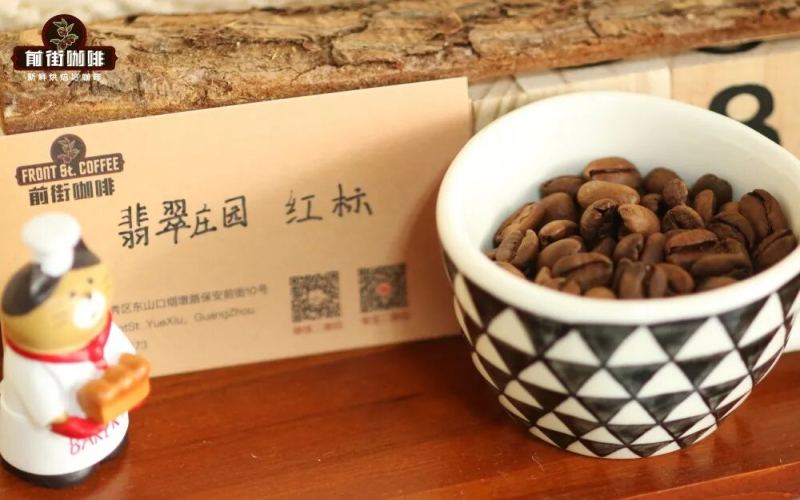
Geisha Coffee Origins | How Do Panamanian and Ethiopian Geisha Differ? What Geisha Varieties Are There? An Introduction to Panama Emerald Geisha Grades
Some people say that Geisha coffee is so expensive, so what exactly does Geisha coffee taste like? Front Street believes that when you drink Geisha coffee, you'll feel like it's not a cup of coffee, but a cup of floral and fruity tea. Because of different growing regions, the flavors that Geisha coffee presents also vary, but overall, Geisha coffee naturally has a [more…]
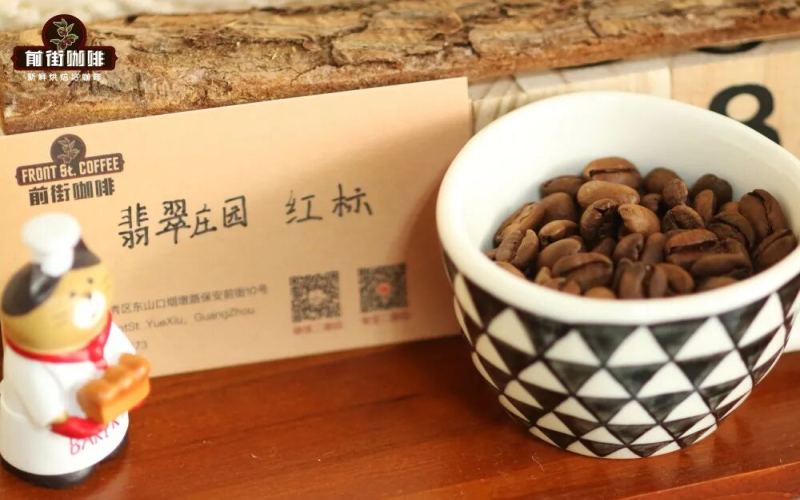
What are Geisha coffee beans? The origin of Geisha coffee beans, recommended origins, prices, varieties, grade classifications, and an introduction to their flavor characteristics
Some people say Geisha coffee is so expensive, but what exactly does Geisha coffee taste like? Front Street believes that when you drink Geisha coffee, it feels less like a cup of coffee and more like a cup of fruit-and-flower tea. Because of different growing regions, the flavors that Geisha coffee presents also vary, but overall, Geisha coffee naturally carries a kind of [more…]
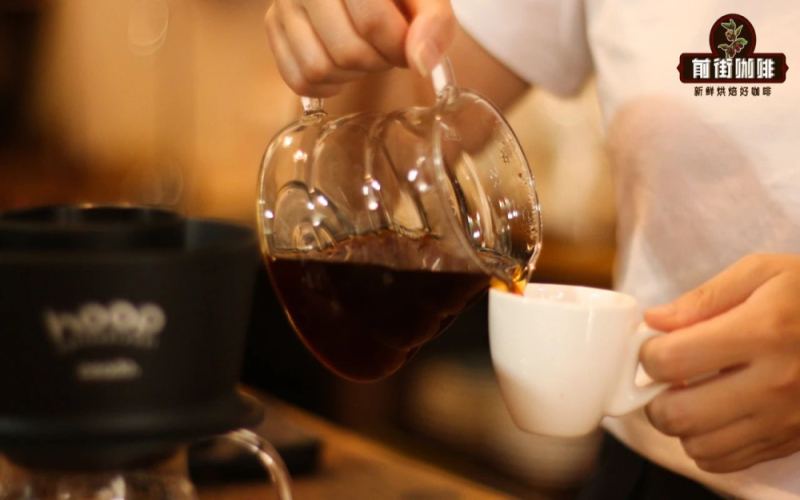
Analysis of the Flavor Characteristics of Brazil's Top Ten Coffee Brands: A Complete Guide to Queen Farm and Cerrado Region Coffee Beans
As the world's largest coffee producer, Brazil is known for coffee beans with low acidity and nutty-chocolate notes, making them the top choice for many enthusiasts who dislike acidic coffee. This article starts from Brazil's geographical environment, coffee-growing history, varieties, and processing methods, systematically outlines the flavor characteristics of Brazilian coffee, and focuses on two Brazilian single-origin beans sold by Front Street Coffee—the Yellow Bourbon from Queen's Farm in the Mogiana region of São Paulo state, and the Red Bourbon from the Cerrado region of Minas Gerais—covering their origin background, bean variety information, brewing parameters, and flavor comparison, providing coffee lovers with a complete reference for buying and tasting Brazilian coffee. [more…]